Why Mowgli is the Perfect Handwritten Font for Your Creative Projects
Fonts are more than just letters on a page—they’re the personality of your message. When it comes to handwritten fonts, one name stands out: Mowgli. This font captures the warmth and authenticity that only hand-drawn typography can offer. Whether you're designing a logo, crafting brand content, or creating impactful quotes, Mowgli brings an artistic flair that elevates your work from ordinary to extraordinary.
The Unique Charm of Mowgli
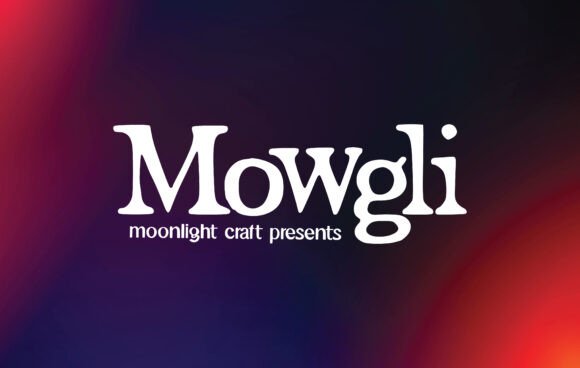
Handwritten fonts have become increasingly popular in design because they add a personal touch. Mowgli, with its elegant curves and natural flow, feels like it was written by someone who truly understands beauty in calligraphy. Each character has subtle variations that mimic the imperfections of real handwriting, making it feel genuine and expressive.
This font isn’t just beautiful; it’s versatile. It works well in both digital and print formats, maintaining clarity and charm across different mediums. The soft strokes and open letterforms allow for excellent readability, even when used in smaller sizes or for longer text passages.
Handcrafted Aesthetics for Modern Design
In today’s fast-paced world, people crave authenticity. Mowgli delivers that in every stroke. Its design evokes a sense of nostalgia while still feeling fresh and contemporary. That makes it ideal for brands looking to create emotional connections with their audience—whether you're targeting young creatives or a more mature demographic.
What sets Mowgli apart is how it balances simplicity with sophistication. It doesn't rely on excessive flourishes or complex structures to make an impression. Instead, it uses clean lines and graceful shapes to communicate elegance and approachability. This duality allows it to be used in a wide range of creative fields, from fashion to food, without ever feeling out of place.
Uses for Mowgli in Branding and Marketing
Branding is all about making a memorable impression, and Mowgli is a powerful tool for doing just that. Its unique style helps businesses stand out in a crowded market. If you're launching a new product or rebranding an existing one, using Mowgli in key visual elements can help establish a distinct identity.
- Logo Design: Mowgli is particularly effective for logos that aim to convey creativity, trust, or a personal connection. Its fluid nature adds movement and life to static images, making them more engaging.
- Social Media Content: In an age where attention spans are short, the right font can make your posts pop. Mowgli’s eye-catching style ensures your message is noticed quickly and remembered longer.
- Packaging and Merchandise: For products that want to highlight craftsmanship or individuality, Mowgli adds a premium feel. Think of artisanal foods, handmade goods, or bespoke services—Mowgli fits perfectly into these contexts.
Real-World Applications
Let’s look at some practical examples of how Mowgli can be used:
- A boutique coffee shop might use Mowgli in its signage and menu boards to reflect the care and quality that goes into each cup.
- A wellness brand could incorporate Mowgli into promotional materials, such as blog headers or quote cards, to evoke a sense of calm and mindfulness.
- Fashion designers often use handwritten fonts in lookbook titles or branding assets to emphasize the human element behind their creations. Mowgli would be a perfect fit here.
- Wedding planners love Mowgli for invitations, thank-you notes, and event posters due to its romantic and heartfelt appearance.
How Mowgli Enhances User Experience
Good design isn’t just about looks—it’s also about usability. Mowgli manages to blend aesthetic appeal with functional readability. While many decorative fonts sacrifice legibility for style, Mowgli maintains a balance that makes it suitable for a variety of projects.
Here’s why Mowgli enhances user experience:
- Visual Hierarchy: The font’s structure supports clear visual hierarchy, helping guide the reader’s eye through content naturally.
- Accessibility: Despite being handwritten, Mowgli avoids overly stylized characters that can confuse readers. It remains accessible to most audiences.
- Emotional Impact: The font's warm and inviting appearance encourages engagement. Users tend to spend more time on pages where the typography feels friendly and relatable.
Choosing the Right Color and Background
To get the most out of Mowgli, consider the background and color palette you pair it with. Since it has a delicate and soft feel, it works best against bold or contrasting colors. A deep navy blue or rich emerald green can make the font really stand out. Alternatively, if you're going for a minimalist vibe, a muted gray or cream background can enhance its natural elegance.
Also, don’t forget spacing. Mowgli benefits from generous line heights and letter spacing, especially in body text. This prevents the characters from feeling cramped and keeps the overall layout visually appealing.
Working with Mowgli in Digital and Print Projects
One of the great things about Mowgli is its adaptability. It performs exceptionally well in both digital and print environments, which is crucial for any modern designer or marketer. Let’s break down what this means for your workflow.
Digital Use
On websites and apps, Mowgli can be used for headings, subheadings, and even body copy with the right styling. Its scalability ensures that it looks crisp on high-resolution screens and responsive across devices. You can pair it with sans-serif or serif fonts for contrast, depending on your site’s design language.
When embedding Mowgli into web projects, always ensure it loads efficiently. Using optimized font files and limiting the number of weights or styles you import can help maintain fast load times without sacrificing visual impact.
Print Applications
In print media, Mowgli shines in editorial design, packaging, and marketing collateral. Its organic feel translates beautifully to paper, adding a tactile and authentic dimension to physical materials. Just remember to test it at various sizes before printing, especially for small details like labels or fine print.
Design Considerations When Using Mowgli
While Mowgli is a fantastic choice for many projects, there are a few considerations to keep in mind to ensure it works well within your design context:
- Font Pairing: Avoid pairing Mowgli with other highly stylized or ornate fonts. A simple supporting font will let Mowgli take center stage and prevent visual clutter.
- Consistency: Use Mowgli consistently across your brand’s materials to build recognition. This includes everything from business cards to social media profiles.
- Context Matters: Not every project needs a handwritten font. Use Mowgli when the tone of your message is warm, creative, or personal. For formal or technical documents, stick to more traditional typefaces.
Tools and Platforms for Using Mowgli
There are several platforms and tools where you can easily access and implement Mowgli:
- Adobe Fonts: Offers a vast library of professional-grade fonts, including Mowgli. Integrates smoothly with Adobe Creative Cloud applications like Photoshop and Illustrator.
- Google Fonts: If you prefer free options, Google Fonts provides a selection of similar handwritten styles that can complement Mowgli or serve as alternatives.
- Creative Market: A go-to destination for designers seeking unique fonts. Here, you’ll find Mowgli along with additional variants and related styles.
- Canva & Figma: Both platforms support custom font uploads, so you can bring Mowgli into your design workflows with ease.
Why People Choose Mowgli Over Other Handwritten Fonts
Handwritten fonts come in all shapes and sizes, but Mowgli stands out for several reasons:
- Distinctive Style: Mowgli has a signature look that’s hard to replicate. It’s not too casual, nor too rigid, which makes it adaptable to many styles.
- Professional Quality: Unlike many free handwritten fonts, Mowgli is professionally designed and offers a polished finish suitable for commercial use.
- Character Variety: It includes a full set of characters, ligatures, and stylistic alternates, allowing for greater flexibility in typesetting.
- Modern Appeal: Mowgli blends classic handwriting aesthetics with contemporary design principles, making it relevant for today’s audiences.
Common Misconceptions About Handwritten Fonts
Some people hesitate to use handwritten fonts like Mowgli because they believe they’re only good for informal settings. However, this couldn’t be further from the truth. With careful application, Mowgli can appear in high-end designs, luxury branding, and even corporate communications when the goal is to inject a human touch.
Others worry that handwritten fonts may not be scalable or readable. But Mowgli was created with these concerns in mind. Its design ensures it remains legible and usable across a wide range of applications, from large banners to tiny tags.
Best Practices for Incorporating Mowgli Into Your Work
If you’re ready to start using Mowgli, here are some tips to help you integrate it effectively into your projects:
- Use Sparingly: While Mowgli is stunning, overuse can lead to visual fatigue. Save it for headlines, taglines, and other focal points.
- Test Across Devices: Always preview how Mowgli looks on different screens and resolutions. Adjust size and spacing accordingly to maintain clarity.
- Pair Thoughtfully: Complement Mowgli with a neutral base font like Helvetica or Roboto. This creates a balanced and harmonious design.
- Consider Weight Options: Some versions of Mowgli include light, regular, and bold weights. These can be used strategically to highlight important information or create depth in your layouts.
Realistic Expectations and Limitations
No font is a magic bullet. While Mowgli is incredibly versatile, it may not suit every situation. For example, it’s not the best option for body text in long-form articles or dense reports. Stick to it for shorter, impactful phrases where style plays a bigger role.
Additionally, if your target audience prefers minimalism or professionalism above all else, Mowgli might need to be used with restraint. It’s always wise to align your font choices with your brand voice and audience expectations.
Final Thoughts on Mowgli’s Role in Creative Typography
Typography is a critical part of design, and choosing the right font can transform a project from average to unforgettable. Mowgli offers the perfect mix of artistry and functionality, making it a top contender for designers who want to create something memorable yet professional.
Whether you’re working on a logo, a website, or a brand campaign, Mowgli can help you connect with your audience on a deeper level. Its ability to evoke emotion while maintaining clarity is what makes it such a valuable asset in modern design.
So next time you're brainstorming a new project, consider reaching for Mowgli. It might just be the missing piece that turns your vision into a masterpiece.