Saddlewood: A Bold, Rustic Typeface for Authentic Design
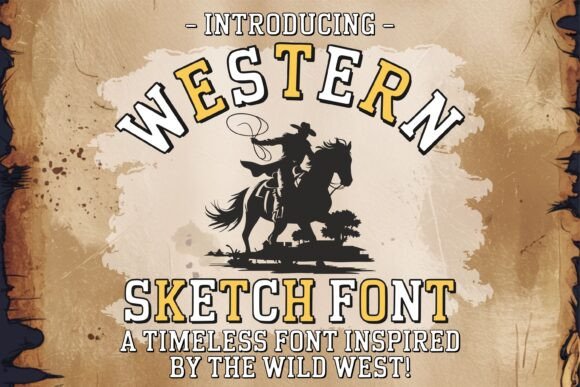
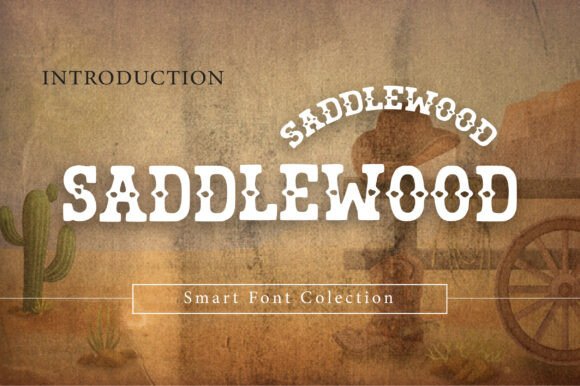
If you're looking for a typeface that feels like it's been carved from the heart of the American frontier, Saddlewood is the choice for you. This rugged, handcrafted font brings the spirit of the old west to life with its heavy slabs, distressed edges, and unmistakable charm. Whether you're designing a logo, a poster, or a packaging label, Saddlewood adds a sense of authenticity that few other fonts can match.
What Makes Saddlewood Unique?
Saddlewood isn't just another font—it's a design statement. Inspired by classic western lettering and vintage wood type, it captures the essence of rustic craftsmanship. The bold strokes and uneven textures give it a handmade feel, making it ideal for projects that need a touch of authenticity. Unlike clean, modern typefaces, Saddlewood doesn’t shy away from imperfections; instead, it embraces them as part of its character.
Its strong presence makes it perfect for high-impact designs where visibility and emotion matter. Whether you're creating a sign for a local business or a promotional poster for a festival, Saddlewood commands attention without sacrificing readability. It works well in both print and digital formats, ensuring your message stands out no matter where it appears.
Where and When to Use Saddlewood
One of the most appealing aspects of Saddlewood is its versatility. It fits naturally into a wide range of design scenarios, especially those that require a vintage, rustic, or western aesthetic. Here are some real-world examples of how users might apply it:
- Logos for outdoor brands: If you're designing a logo for a hiking gear company, a cowboy boot store, or a ranch-themed business, Saddlewood adds an immediate sense of place and tradition.
- Posters for events: Music festivals, rodeos, and local fairs often benefit from a bold, eye-catching font. Saddlewood can help your event stand out in a crowded market.
- Packaging and labels: For products like craft beer, artisanal snacks, or handmade goods, Saddlewood gives your branding a unique, authentic edge that resonates with customers.
- Apparel and merchandise: T-shirts, hats, and other wearable items can use Saddlewood to create a look that feels rugged and genuine, appealing to fans of western culture or retro styles.
- Signage and wayfinding: Restaurants, gas stations, and small shops can use Saddlewood to create signs that feel part of the landscape rather than just functional text.
Who Benefits from Using Saddlewood?
Saddlewood isn’t just for designers—it’s a tool that can benefit a wide range of users. Entrepreneurs launching a new business, artists creating custom work, or educators developing lesson plans all might find value in this font. Its versatility means it can be used in both personal and professional contexts.
For example, a small business owner opening a boutique might use Saddlewood on their storefront sign to create a welcoming, nostalgic vibe. A marketer working on a campaign for a heritage brand could use it to reinforce the idea of tradition and quality. Even a hobbyist creating a scrapbook or DIY project might appreciate the font’s visual appeal and emotional resonance.
Considerations Before Using Saddlewood
While Saddlewood is powerful, it’s not always the best choice for every project. Before applying it, consider the tone and audience of your design. If you’re going for something sleek, modern, or minimalist, Saddlewood might feel out of place. However, if your goal is to evoke nostalgia, strength, or a connection to the past, it’s an excellent option.
Also, keep in mind that the distressed elements of Saddlewood can affect readability in certain sizes or contexts. Test it in different formats to ensure it works well for your specific needs. If you're using it online, make sure it displays clearly on various devices and screen sizes.
How to Get the Most Out of Saddlewood
To truly leverage Saddlewood, think about how it complements other design elements. Pair it with earthy colors, textures, or imagery that reinforces its rustic theme. For instance, a logo using Saddlewood might look better alongside a faded photo or a weathered background. Experiment with different weights and styles to find the right balance between boldness and clarity.
Additionally, consider the message you want to convey. Saddlewood works best when it aligns with the story you're telling. If your project is about heritage, resilience, or tradition, this font can help bring those themes to life. But if you're aiming for something more contemporary or tech-focused, you may want to explore other options.
Real-World Applications of Saddlewood
Let’s look at a few practical scenarios where Saddlewood has made a difference:
- A local café’s menu: A cozy diner used Saddlewood for its menu headers to create a warm, homey feel. The font helped reinforce the restaurant’s identity as a place rooted in tradition and comfort.
- A vintage clothing brand’s website: An online store selling retro-style apparel chose Saddlewood for its headings to maintain a cohesive, nostalgic aesthetic across all pages.
- A community event flyer: A town fair used Saddlewood on its flyer to give it a classic, hand-crafted look that stood out among generic digital designs.
- A branded t-shirt for a music festival: A band used Saddlewood on their merchandise to reflect the rugged, authentic energy of their live performances.
Final Thoughts on Saddlewood
Saddlewood is more than just a font—it’s a design element that tells a story. Its rugged, handcrafted look makes it ideal for projects that need a sense of authenticity and strength. Whether you're a designer, a small business owner, or someone looking to add personality to your work, Saddlewood offers a powerful way to express your vision.
By understanding where and how to use it, you can unlock its full potential and create designs that resonate with your audience. With its unique character and versatile applications, Saddlewood is a valuable addition to any creative toolkit.