Dustcode: A Modern Twist on Classic Typewriter Typography
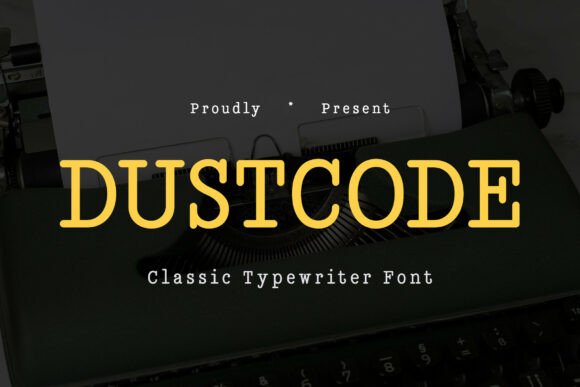
In the ever-evolving world of design, typography remains one of the most powerful tools for storytelling and branding. Among the many fonts available today, Dustcode stands out as a unique blend of nostalgia and contemporary flair. This classic typewriter font with a touch of grunge is more than just a stylistic choice—it's a bridge between eras, offering designers a way to evoke authenticity while meeting modern aesthetic expectations.
What Is Dustcode?
Dustcode is a vintage-style display font inspired by the mechanical typewriters of yesteryear. Its character set includes full uppercase and lowercase alphabets, numbers, and punctuation marks, making it a versatile option for both artistic and practical use. What sets Dustcode apart is its subtle imperfections—such as ink smudges, uneven spacing, and a slightly weathered texture—that give it a handcrafted feel reminiscent of old-school printing methods.
The Appeal of Vintage Typography in a Digital Age
As digital interfaces become increasingly polished and minimalist, there's a growing desire among creators and audiences alike for designs that feel tactile, human, and rich in history. Dustcode taps into this longing by mimicking the look of typewritten documents from decades past. It’s not merely about aesthetics; it’s about creating an emotional connection with viewers through familiar visual cues.
Whether you're designing a book cover, a retro-themed poster, or a logo for a boutique brand, Dustcode can help you achieve a sense of authenticity that modern sans-serif fonts often lack. The font’s character-by-character uniqueness adds charm and depth, which can be especially valuable when aiming to stand out in a crowded market.
Why Dustcode Resonates With Today’s Designers
Current trends in graphic design emphasize minimalism, bold contrasts, and the use of textures to add dimension. While clean, geometric fonts dominate much of the landscape, they can sometimes appear cold or impersonal. Dustcode offers a compelling alternative by introducing warmth and character without sacrificing readability.
For entrepreneurs and small business owners, using a font like Dustcode can signal a commitment to craftsmanship and heritage. In branding projects, it helps establish a narrative—whether it's about tradition, rebellion, or simplicity. Marketers and bloggers also benefit from its ability to create intrigue and nostalgia, which are powerful tools for engagement in content-driven campaigns.
How Dustcode Fits Into Creative Workflows
Designers working across industries—from print media to digital marketing—are constantly seeking ways to differentiate their work. Dustcode fits seamlessly into these workflows because it’s designed for versatility. Its inclusion of both upper and lower case letters allows for greater flexibility in layout and composition, whether used in headlines, body text, or decorative accents.
One practical example is in the creation of postcards or event flyers. When paired with muted color palettes and distressed textures, Dustcode enhances the overall theme and makes the design more memorable. Educators and hobbyists might find it useful for vintage-style classroom posters or personal journals, where the font's retro vibe complements the handmade nature of the project.
The Evolution of Retro Fonts in Design
Retro fonts have been around for years, but their popularity has surged in recent times. As consumers grow weary of hyper-modern, sterile designs, they’re drawn to the personality and history embedded in older typefaces. However, simply copying 1950s-era fonts isn’t enough anymore—modern audiences expect something that feels authentic yet relevant.
Dustcode meets this demand by combining traditional typewriter elements with a refined, grungy edge. It’s not just about looking old; it’s about capturing the essence of an era while maintaining functionality for today’s needs. This evolution reflects a broader shift in design culture toward intentional imperfection and analog-inspired aesthetics.
Real-World Applications and Use Cases
Here are some realistic scenarios where Dustcode could elevate your design:
- Branding Projects: Use Dustcode for logos or taglines of businesses that want to communicate a timeless or artisanal identity.
- Magazines & Publications: Incorporate the font into editorial titles or pull quotes to add a nostalgic tone.
- Headlines and Posters: Its bold characters make it ideal for attention-grabbing headlines at events or exhibitions.
- Confidential Document Designs: For legal, formal, or themed designs (like spy movies or historical reenactments), Dustcode brings a sense of urgency and authenticity.
- Book Covers: Authors writing historical fiction, memoirs, or self-help books can use Dustcode to reinforce the mood and setting of their work.
Practical Tips for Using Dustcode Effectively
To get the most out of Dustcode, consider the following best practices:
- Pair Thoughtfully: Combine Dustcode with a modern sans-serif font to balance its vintage style with clarity and legibility.
- Use Sparingly: Because of its strong visual presence, it’s best suited for headlines, logos, or short bursts of text rather than long paragraphs.
- Experiment with Textures: Overlaying the font with paper grain, coffee stains, or other aged effects can enhance its retro appeal.
- Adjust Contrast: Play with light and dark tones to highlight the font’s character variations and bring out its gritty details.
- Consider Context: Ensure the font aligns with the message and audience. It may not be appropriate for all professional settings but excels in creative and thematic environments.
Beyond Aesthetics: The Psychological Impact of Vintage Fonts
Fonts do more than look good—they influence perception and emotion. Studies show that people associate certain typefaces with specific feelings or values. For instance, serif fonts are often seen as trustworthy, while slab serifs suggest strength and stability. Dustcode, with its vintage and slightly chaotic appearance, evokes a different response: curiosity, nostalgia, and even a hint of rebellion.
This psychological impact is particularly valuable in fields like marketing and advertising, where first impressions matter. A well-placed headline in Dustcode can spark interest and encourage users to engage further with the content or brand behind it.
Who Can Benefit From Dustcode?
While Dustcode is especially popular among creatives, its usefulness extends to various professionals:
- Graphic Designers: Looking to add character to client projects without overcomplicating layouts.
- Business Owners: Wanting to craft a brand identity rooted in tradition or authenticity.
- Content Creators: Seeking to infuse personality into blog headers, YouTube thumbnails, or social media posts.
- Freelancers: Who need a reliable, high-quality font for print and digital deliverables.
- Hobbyists: Crafting invitations, zines, or personal art pieces with a retro twist.
Challenges and Considerations
Despite its charm, Dustcode isn't always the right choice. Its stylized appearance may reduce legibility in certain contexts, especially at smaller sizes or in low-resolution formats. It’s important to test how the font performs in real-world applications before finalizing a design.
Additionally, since it’s a display font, it should never be used as the primary body text in a publication. Instead, reserve it for impactful elements where its vintage allure will shine brightest.
Embracing Nostalgia Without Losing Relevance
Modern design doesn’t mean abandoning the past. In fact, blending old and new techniques often leads to the most compelling results. Dustcode exemplifies this trend by taking inspiration from typewriters and adapting it for digital platforms. It’s a reminder that sometimes the best way forward is by looking back.
For those who appreciate the tactile quality of physical design elements, Dustcode serves as a digital stand-in for the raw, imperfect beauty of handwritten or typewritten text. It’s a tool that honors craftsmanship while embracing the possibilities of modern software and hardware.
Where to Get Dustcode
If you're ready to explore the vintage potential of Dustcode, you can download it now. Once installed, you’ll gain access to a font that’s both functional and expressive, allowing you to craft designs that resonate emotionally and visually.
Final Thoughts on Dustcode
Typography is more than just a means of communication—it’s a form of expression. Dustcode gives designers the power to tell stories through type, using the language of the past to speak to the present. Whether you’re aiming for a subtle nod to history or a bold statement in your next project, this font offers the perfect mix of elegance and grit.
So why wait? Bring a touch of old-school charm to your work and see how Dustcode transforms your creative output. Its blend of classic inspiration and modern adaptability ensures it won’t just look good—it’ll make an impression that lasts.